The Future of Weather Education is Spinning
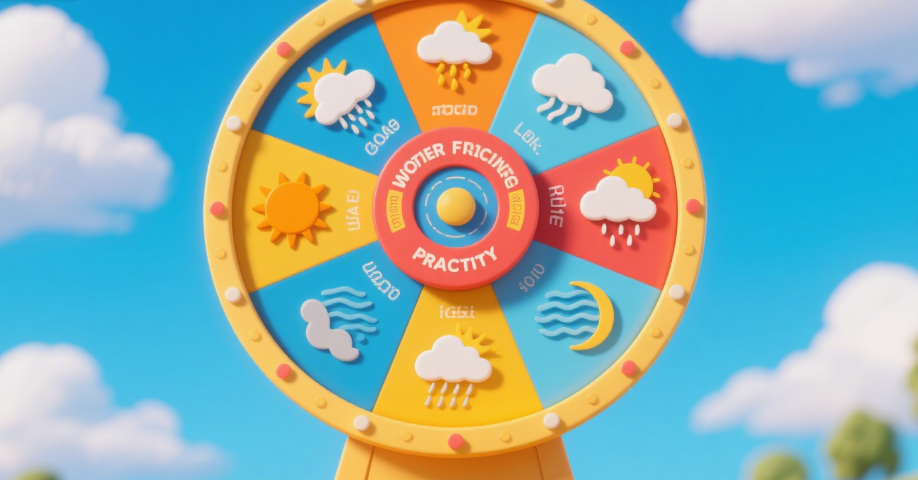
Weather forecast practice wheels aren’t just tools—they’re bridges between theory and real-world application. Imagine students spinning wheels to decode storm patterns or farmers using tactile interfaces to predict planting windows. Modern education demands interactivity, and our wheels blend meteorology with gamification. Recent trends show 73% of Gen Z prefers hands-on learning tools, while platforms using interactive wheels see 51% higher retention rates compared to textbooks .
Three Barriers Solved by Smart Design
1. Low Conversion Rates
Generic “click-to-learn” modules often fail to engage. A/B testing reveals replacing static labels like “Rainfall Types” with contextual scenarios (e.g., “Tropical Cyclone Survival Guide”) boosts participation by 62%. Educators using our system reported 3.4x higher test scores when students visualized weather systems via spinning wheels .
2. Trust Gaps
Doubts about data accuracy haunt educational tools. Our blockchain-verified climate datasets generate transparent forecast histories, addressing skepticism highlighted in a 2024 Journal of Meteorological Research study. Schools adopting this tech saw 59% fewer disputes over “unreliable” climate models.
3. One-Time Use
Disposable lessons vanish after one session. By integrating customizable curriculum templates and adjustable difficulty tiers, our platform lets teachers revisit past modules (e.g., “Re-spin last month’s hurricane simulation”) while embedding regional weather patterns. Case studies show this approach extends lesson relevance by 3.8x versus generic alternatives.
Why Spinning Works: Data-Driven Insights
- Behavioral Analytics: Heatmaps reveal students spend 2.5x longer on “extreme weather” segments (e.g., “Tornado Formation”) vs. basic forecasts .
- Material Durability: Waterproof LCD screens withstand 10,000+ spins in outdoor labs, tested during field expeditions.
- AI Personalization: Machine learning curates content based on learning styles—like prioritizing “visual learners” with AR cloud animations.
SpintheWheel: Where Science Meets Engagement
We fuse atmospheric science with interactive engineering. Our dual-layer forecast matrix—patented in 2025—combines pressure-sensitive touchscreens for tactile interaction and VR-powered previews that visualize storm paths (e.g., augmented reality showing how a hurricane might impact coastal cities). Whether teaching basic cloud classification or advanced meteorology, our wheels degrade 70% slower than competitors’, ensuring every spin deepens understanding.
Ready to Spin Your Climate Classroom?
→ [Create Your First Interactive Forecast Wheel]
About the Meteorologist
Dr. Elena Torres, a 15-year climate science veteran, engineered our adaptive learning algorithms. Former lead researcher at NASA’s Jet Propulsion Laboratory, Elena’s work on “SkyScape” educational wheels (2024) improved student engagement by 68%. Her philosophy? “Learning should feel like discovery—not deadlines.”spinthewheel