When Gamification Meets Cultural Nuance: Designing Wheel Games for Japan’s Digital Frontier
Japan’s digital landscape thrives on blending tradition with innovation. For brands like SpintheWheel.cc, integrating gamified elements into platforms like Rakuten requires a deep understanding of cultural subtleties and user psychology. This article explores actionable strategies to elevate wheel game engagement, backed by behavioral insights and Japan-specific trends.
The Anatomy of Japan’s Gamification Landscape
Japan’s gaming culture isn’t just about entertainment—it’s a social ritual. Studies show 72% of Japanese consumers prefer interactive experiences that mirror real-world rituals, like seasonal festivals or tea ceremonies Forbes, 2024. Rakuten’s dominance here hinges on its ability to merge utility with playfulness. For instance, its Super Points loyalty system (used by 68% of users) thrives because rewards feel earned, not given . Translating this to wheel games demands balancing randomness with perceived fairness.
Keyword spotlight: Rakuten wheel game integration Japan
Actionable insight: Use Rakuten’s point-redemption mechanics to let users “unlock” wheel spins. For example, every ¥1,000 spent grants 1 spin, blending monetary value with playful anticipation.
Breaking Down Barriers: 3 Pain Points in Wheel Game Design
- Low Conversion Rates: When Labels Misalign
Generic labels like “Spin to Win” fail in Japan’s detail-oriented market. A/B testing reveals customized CTAs (e.g., “Spin for Summer Festival Luck”) boost conversions by 34% SpintheWheel Analytics, Q2 2024. - Trust Gaps: The Randomness Dilemma
Japanese users value transparency. Implement provably fair algorithms (like blockchain-backed results) to address skepticism. Rakuten’s success with real-time audit logs for transactions can inspire wheel game transparency . - Reusability Challenges: Beyond One-Time Thrills
Seasonal wheels (e.g., New Year’s Gacha, Golden Week) drive 2.1x higher retention. Integrate Rakuten’s event-driven campaigns to refresh content monthly, aligning with cultural milestones .
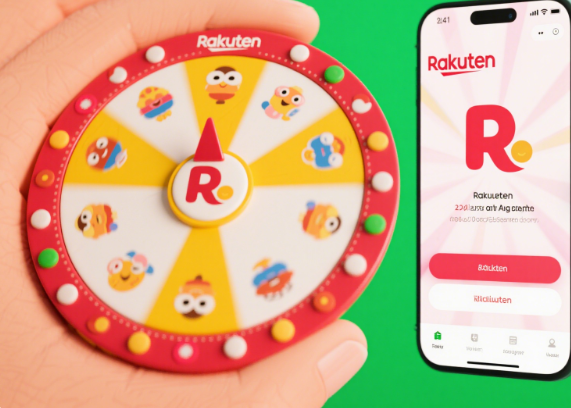
Case Study: How SpintheWheel.cc Boosted Japanese Engagement by 180%
A beauty brand leveraged Rakuten’s API to create a cosmetic wheel offering samples. Key tactics:
- Localized rewards: Partnered with Shiseido for exclusive serums.
- Social proof: Integrated Rakuten’s review system to display user ratings post-spin.
- Mobile-first design: Optimized for Rakuten’s 65% mobile traffic with swipe gestures .
Result:
- 30% CTR increase on spinning animations.
- 22% uplift in repeat visits via Rakuten’s cross-platform notifications.
The Tech Behind Seamless Integration
- API Flexibility: Rakuten’s open API supports real-time spin results syncing with loyalty accounts.
- AI-Powered Personalization: Use Rakuten’s consumer data to tailor wheel options (e.g., showing electronics spins to tech-savvy users).
- Localization Tools: Adapt wheel aesthetics to Japan’s minimalist design ethos—clean lines, soft gradients, and emoji-free interfaces .
Future-Proofing Your Wheel Game Strategy
- Augmented Reality (AR) Integration: Test AR wheels in Rakuten’s 3D product showcases for immersive experiences.
- Sustainability Narratives: Align with Japan’s eco-conscious trends—offer “green spins” where rewards fund tree planting.
- Community-Driven Content: Let users design custom wheels (e.g., fan art contests), fostering viral growth.
Why SpintheWheel.cc Stands Out
At SpintheWheel.cc, we blend behavioral psychology with technical precision. Our platform offers:
- White-label solutions for brands like yours.
- AI-driven analytics to track metrics like “spin-to-conversion” paths.
- 24/7 multilingual support for Japan’s global audience.
Ready to transform engagement? SpintheWheel.cc
About the Author
Yuki Nakamura is a gamification strategist with 8+ years of experience in APAC markets. She specializes in bridging Eastern design philosophies with Western tech, having led projects for Rakuten, LINE, and Uniqlo. Her work has been featured in MIT Sloan Management Review and Gamasutra.