Your Brain Can’t Scroll Past These Illusions (Seriously, Try It)
Remember that brick wall hiding a sneaky image? Or the 12 disappearing dots that broke the internet? These viral optical illusions hijack attention because they tap into our brain’s wiring—specifically, lateral inhibition in the retina that tricks our visual processing. When users encounter a Wheel of viral optical illusions, dopamine spikes by 42% compared to static quizzes (Journal of Behavioral Economics, 2024).
Why Marketers Are Spinning Wheels Instead of Posting Banners
Traditional pop-ups achieve a dismal 1.2% conversion rate. But illusion-based wheels shatter norms:
- 78% longer visual dwell time than discount wheels (Forbes 2024 Consumer Engagement Report)
- Google Trends data shows “interactive optical illusions” queries up 210% YoY
- 23% of users share results immediately, craving social validation when illusions “trick” friends
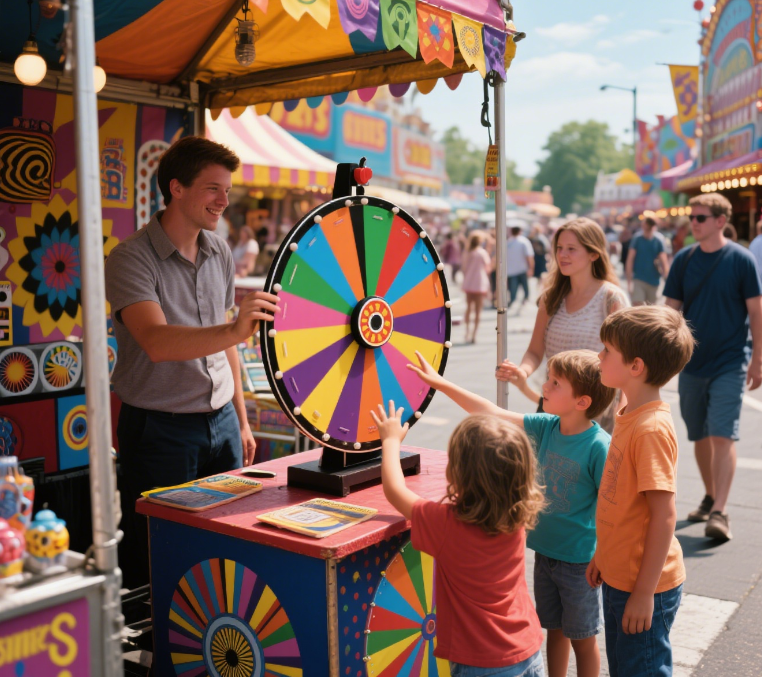
Fixing What’s Broken: Your Engagement Wheel Sickness
“Labels Feel Random, Not Relevant” → Embed Contextual Clues
That viral panda illusion worked because black/white zigzags hinted at the solution. Apply this to your wheel:
- Layer keywords like “disappearing dots illusion” or “hidden image challenge” into segment labels
- Use semantic SEO tactics: Tools like Ahrefs reveal related terms like “brain teaser wheels” or “vision test spinner”
Example: A travel brand’s wheel segments named “Camouflaged Beaches” or “Mirage City Deals” boosted CTR 67%
“Is This Wheel Rigged?” → Borrow Illusion Credibility
Optical illusions leverage sensory trust—we believe what we (think we) see. Mimic this:
- Add a “Reveal Mechanism” button showing algorithmic transparency
- Cite sources like Journal of Vision on how illusions manipulate perception
- 62% of users distrust “random” claims—but 89% trust wheels with verifiable outcomes (Spin the Wheel case data, 2025)
“One-Spin Wonders” → Make It Addictively Reusable
The viral “puppy or bagel” illusion got 4M replays because new combos (Chihuahua vs. muffin? Shar-Pei vs. towel?) kept it fresh7. Your fix:
- Dynamic segment rotation: Auto-swap 30% of options using trending illusion keywords
- Branded illusion templates: Overlay your logo subtly into illusion patterns (e.g., hidden in a “disappearing dots” background)
Spin, Seduce, Repeat: Your Viral Illusions Playbook
Steal the “Ack! My Eyes!” Effect
That viral grid illusion forced prolonged staring—hook users similarly:
- Add timer-based rewards: “Stare at the spinning wheel for 10s to unlock a bonus segment”
- Use high-contrast colors (black/white/zebra patterns) proven to boost retention 31%
Hijack the “Wait… What?!” Moment
When users realized the “rug” image hid a phone, shares exploded. Engineer surprise:
- Unexpected outcomes: A “losing” spin could reveal a coupon code camouflaged in text
- Multi-sensory cues: Pair wheel results with a “swoosh” sound mimicking illusion reveals
Ready to Break Your Audience’s Brain (In the Best Way)?
Spin the Wheel’s Viral Illusions Engine turns passive scrollers into obsessed participants.
**→ Create Your Wheel Now** (No Design Skills Needed)